Director IDs: New ASIC Requirement from 1 July 2027
From 1 July 2027, ASIC will introduce an important change for companies and their directors. When updating certain company details with ASIC, Director IDs will need to be provided.
Read more

From 1 July 2027, ASIC will introduce an important change for companies and their directors. When updating certain company details with ASIC, Director IDs will need to be provided.

From 1 October 2026, businesses will no longer be able to apply a surcharge to debit, prepaid and credit card payments on designated eftpos, Mastercard and Visa networks.

Are you making any of these accounting mistakes? We’ve outlined the top 5 accounting pitfalls that small business owners trip over, so you don’t have to make the same mistakes.

The new financial year brings major tax and regulatory changes effective 1 July 2026, affecting personal income tax, deductions, superannuation, and company fees. Here are a few key changes.

Alongside changes to the CGT rules, the Federal Budget announced that the availability of negative gearing would be curbed for residential property investors. Properties purchased from 1 July 2027 will be subject to the new rules.

Do you know your working capital position? We explain what working capital is, why it’s important and how you can access additional capital to grow your business.

From 1/7/27 the 50% CGT discount will be replaced by cost base indexation for assets held for more than 12 months, with a 30% minimum tax to apply on net capital gains. Assets acquired pre 20 September 1985, currently exempt from CGT, are also affected.

When was the last time you reviewed your cybersecurity precautions? We’ve highlighted five important ways to protect your company and customer data from malicious attacks.
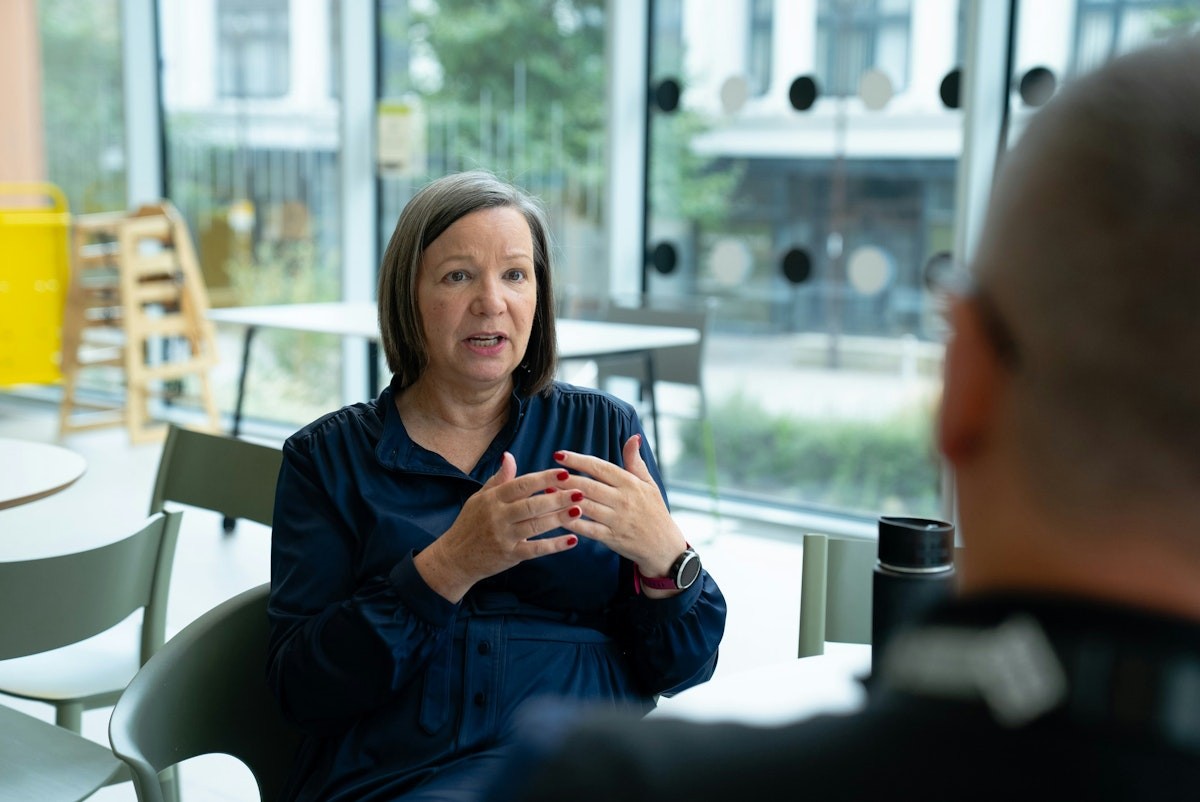
When was the last time you reviewed your business strategy? Here are 5 reasons to make your strategy more fluid, flexible and agile – and the business benefits this offers in uncertain times.

Verify genuine ATO phone calls in real time and avoid scams with the new ATO app call verification feature. Learn how to set it up and protect your tax information today.

Learn about the ATO's new "Qualifying Earnings" (QE) calculation for superannuation from 1 July. Discover how QE replaces OTE, the 12% rate, and how to prepare for Payday Super reporting.

| If you currently use the ATO’s Small Business Superannuation Clearing House (SBSCH) to process superannuation payments, an important deadline is approaching. |

From 1 July 2026 Payday Super will be mandatory. Instead of quarterly super payments to employees’ funds, contributions will need to be paid at almost the same time as salary and wages. Read on for full details on what's required and what is changing.

If you are reflecting on where you are at and thinking about your business goals for the financial year ahead, we can help you establish measurable goals for your business.

The SDA is pushing for the abolition of junior rates for younger workers. We’ve outlined the details of the campaign and the potential impact on your wage costs.

As the owner of a fast-moving business, would a crystal ball be helpful? Scenario planning is a key way to understand the future of your business. We outline the major benefits.

Payday super is due to begin in July 2026. Is your payroll process ready? We’ve outlined the key requirements and how payday super could impact your small business.

Government grants and incentives are a great way to boost your capital. We’ve highlighted four areas of financial support that your business may be eligible to claim.

We’ve heard a lot about trade tariffs in the news. But what is a trade tariff and how could these customs taxes impact your small business?

63% of Australian businesses say they are losing money to late payments. Here’s what you can do to get your late payment issues under control.

Looking to shake up your current business strategy? We share five ideas for diversifying your business strategy and improving the stability and profitability of your business this year.

54% of employees prefer a combination of in-office and remote work. So, are you making moves to switch to flexible working? We explain why hybrid working is the way forward.

Cashflow keeping you awake at night? We share 5 tips to control your cashflow and achieve a positive cash position.
Whatever your requirements, we can help you find the solution.